Is 3D Printing Hardware Or Software?
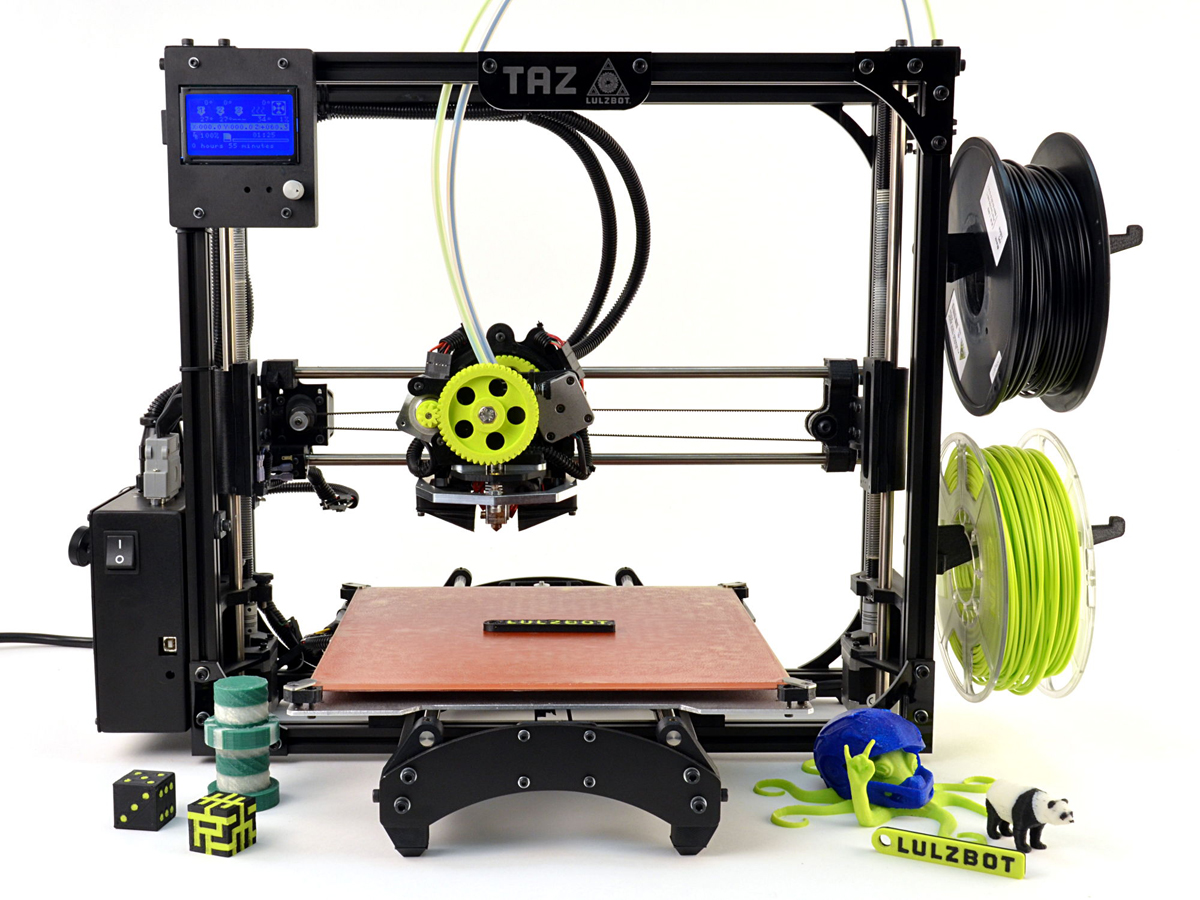
3D printing is a manufacturing process that produces physical objects by using software to slice a digital blueprint into thin layers. These layers are deposited layer by layer until the object is complete.
It's a game-changing technology that's
transforming industries and enabling people to create new things. But it's also
complicated, and it requires a lot of hardware to work efficiently.
What is 3D
Printing?
3D printing is a process of adding
layer upon layer to build an object. It can be done in a variety of ways, with
a few common methods being direct, material jetting, and powder bed fusion.
In direct printing, a printer nozzle
moves back and forth while dispensing wax or plastic-like polymers layer by
layer to build up the object. This can be done with either plastic or metal
materials and can include special materials such as water-absorbing plastic,
nitinol, and gold to name a few.
Material jetting is a highly precise
process that can produce full-color parts in various materials, such as metals.
However, the parts are brittle and will degrade over time.
The process also can be used for
bespoke parts that cannot be created with conventional manufacturing processes
such as molds and dies, or for fixtures that need to be quickly and
cost-effectively produced in small batches before being manufactured on larger
scales. It is also useful for rapid prototyping, making a new product or
tooling for an existing one ready for testing before it is released to the
market.
What is 3D
Printing Technology?
3D printing hardware technology is a
manufacturing method that builds up physical objects by adding thin layers of
material. It is a form of additive manufacturing and is different from
traditional processes such as machining, casting, forming, or molding which use
machines, computers, and robot technology.
This technology is often used in
prototyping and creating lightweight geometries, but can also be a powerful
tool for designing and producing complex geometries that traditional
manufacturing solutions might not be able to produce as efficiently.
There are several technologies for 3D
printing, including powder bed fusion (PBF), selective laser sintering (SLS),
electron beam melting (EBM), and direct metal laser sintering (DMLS). Fused
deposition modeling (FDM), one of the most popular methods, uses a heated
nozzle to release thermoplastic filaments which are then melted layer by layer
until the desired object is created.
What is 3D
Printing Software?
3D printing software is a program that
creates a 3D model of the part or object you want to print. It then translates
this digital model into step-by-step instructions in G-code, which the printer
interprets and prints out.
For simple, quick designs, there are a
variety of browser-based modeling tools available that are geared toward the
beginner user. These are typically less expensive and easier to learn than
professional software.
Those that are more advanced may want
to consider CAD design software. CAD (computer-aided design) software allows
users to define their models with various parameters, such as geometries,
mechanical characteristics, weight, cost, and 3D printing supports.
Once a model has been designed, it is
then sent to a slicer software that breaks the digital model into a series of
layers. The slicer then tells the printer how to move each layer, as well as
where to “fill” the model with the material.


Comments
Post a Comment